PLANTAR FASCIITIS
Plantar fasciitis: the heel is the loudest signal, not the whole story.
Plantar fasciitis usually means pain under the heel, worst with the first steps in the morning. The plantar fascia runs from the heel to the toes and helps hold up the arch. When the arch drops and the big toe stops working, it may take extra strain. Get it diagnosed, then look at how the foot loads.
By Muhammed Cam, founder · Updated
Where it starts · Shoes
Shoes turned your feet out.
Heel pain often sits on top of the first leak. Turned-out feet and a dropped arch can put more strain on the tissue under the foot.
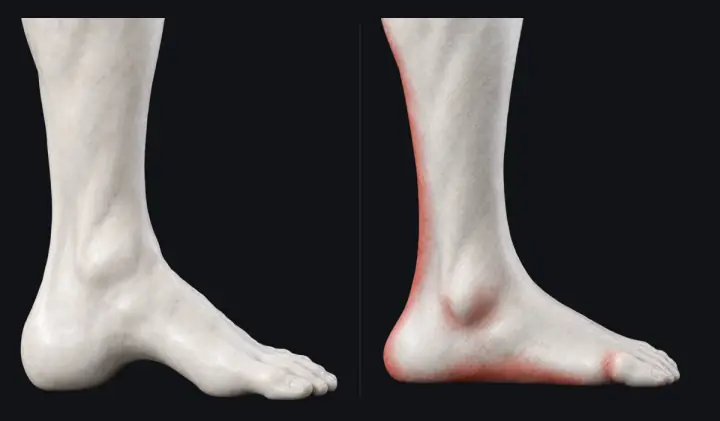
- Working
- Problem: tight or weak
The fix: Feet forward. Point them straight. Wake the arch.
Why does my heel hurt in the morning?
Overnight, the foot and calf rest in a shortened position. The first steps out of bed stretch the tissue under the foot all at once, which is why the heel often barks then and eases after a few minutes. It can flare again after sitting for a while.
Heel pain has other causes too, from nerves to stress fractures, so get a proper diagnosis from a doctor, podiatrist or physio before you assume. Everything below is there to sit alongside their plan.
What does the arch have to do with heel pain?
The plantar fascia is a thick band from the heel to the base of the toes. When the big toe bends as you push off, it pulls the band tight and lifts the arch, a bit like a winch. That's how the foot turns into a stiff lever for the push.
When the arch drops and the feet turn out, the band can be stretched under load all day without the big toe doing its share. That's why the flat feet and duck feet guides are worth reading if your heel is sore.
What can I do alongside treatment?
In a painful flare, comfort comes first. Supportive shoes may help for now, even if your long-term goal is a stronger foot. As it settles, and with your professional's OK, these are commonly used:
- Calf stretch with the feet pointing straight: 30 seconds, a few times a day.
- Gentle stretch of the sole: pull the toes back for 20 seconds before the first steps of the morning.
- Big toe presses and short-foot arch lifts, pain-free, from the foot strengthening exercises guide.
- Slow calf raises once they don't hurt, building strength over weeks.
Can barefoot shoes help plantar fasciitis?
Not as a quick switch. Moving to thin, flat soles during a flare can add load to an already sore heel. Later, once it has settled and the foot is stronger, a gradual move toward roomier, flatter shoes may help the foot keep doing its own work. The barefoot shoes guide covers how to switch slowly.
A 60-second self-test
Feel it now
- 1Stand barefoot, feet hip-width apart, both pointing straight ahead.
- 2Press the big toe down without curling it, and lift the arch.
- 3Soften the knees and keep each one over the second toe.
- 4Close your eyes and hold it for 30 seconds.
What pulls is tight. Stretch it.
What shakes or can’t hold is weak. Strengthen it.
On this page, notice
- Only if it's comfortable: skip the test during a painful flare.
- When the arch lifts, does the pressure under the heel change? Which calf pulls more?
The app · coming soon
Not sure which leak is yours?
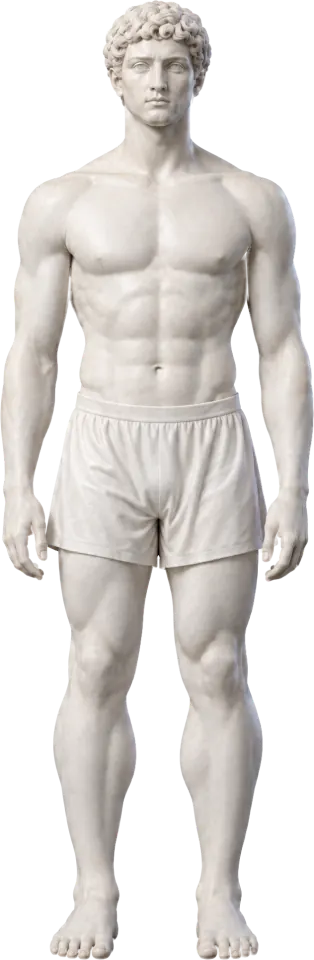
The From the Feet Up app is a posture and movement scan for iPhone. Six standing photos, a squat, a lunge, a reach and a short walk, about five minutes. It reads five areas from the feet up and tells you what to fix first. Free for now.
Your photos are sent once for the read, never kept on our servers, and saved only on your phone.
Hear first when it launches.

Common questions
How long does plantar fasciitis last?
It often takes months to settle, and many cases improve with time and simple care. A doctor, podiatrist or physio can guide it and rule out other causes.
Should I stretch plantar fasciitis?
Gentle calf and sole stretches are commonly recommended. Keep them comfortable, and follow your professional's plan.
Is walking barefoot good for plantar fasciitis?
During a painful flare, going barefoot on hard floors can make it worse for some people. Once it settles, gradual barefoot time and foot strength work may help.
Can tight calves cause heel pain?
Tight calves can add strain to the heel and the tissue under the foot, which is why calf stretching is a common part of care.
When should I see a doctor for heel pain?
See one if the pain is severe, came from an injury, comes with numbness, tingling or swelling, or hasn't improved after a few weeks.
Educational, not a diagnosis or treatment plan. Sharp, severe, numb or worsening pain needs a qualified professional.